
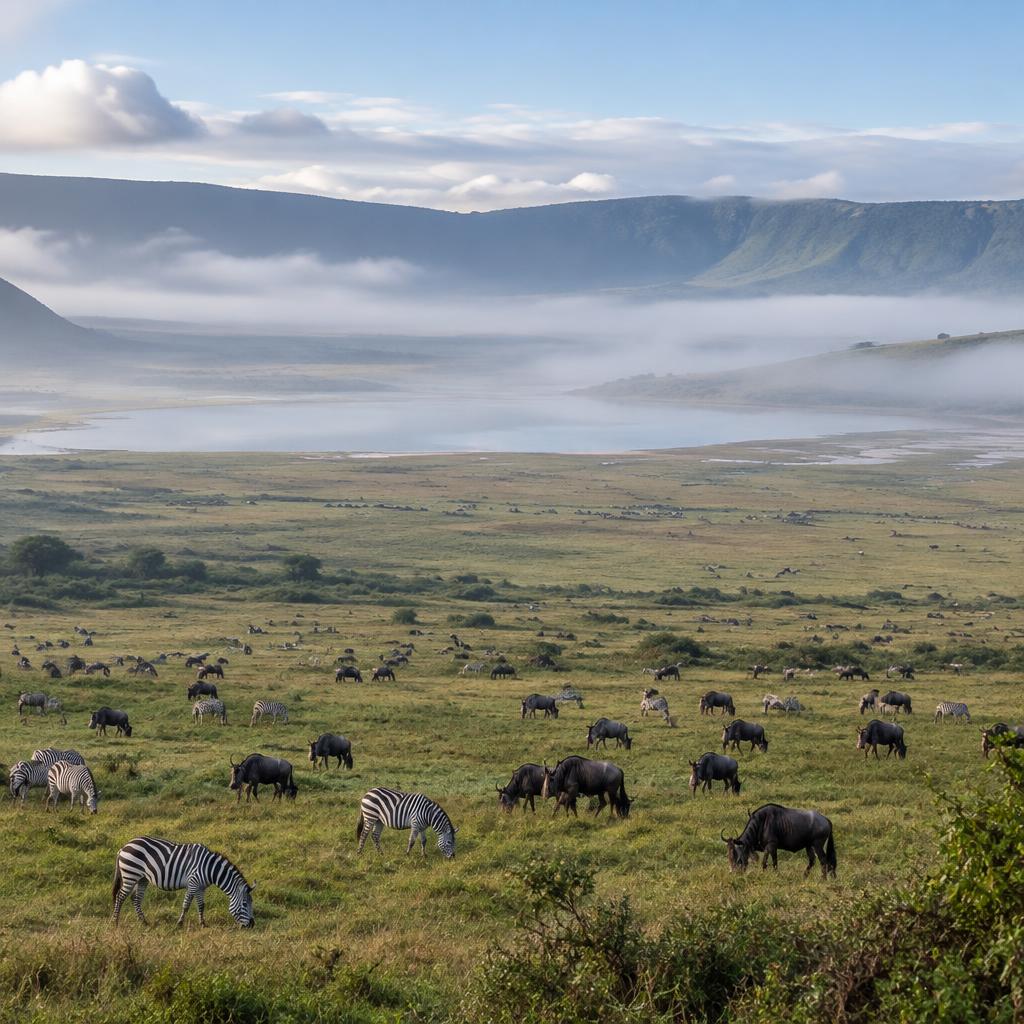
Ngorongoro Crater
The world's largest intact volcanic caldera — a natural wildlife sanctuary.
Home / Ngorongoro Crater
Overview
About Ngorongoro Crater
The Ngorongoro Crater is often called the 'Eighth Wonder of the World'. Formed when a giant volcano collapsed around 2.5 million years ago, the crater is 19 km wide and 600 m deep, creating a natural enclosure for an extraordinary concentration of wildlife.
Around 25,000 large animals live on the crater floor, including one of the last populations of endangered black rhino in Tanzania. In a single day you can realistically see all of the Big Five against a backdrop of steep forested walls, soda lakes and grassland.
The wider Ngorongoro Conservation Area is unique in that Maasai pastoralists live alongside wildlife. It also contains Olduvai Gorge, one of the most important paleoanthropological sites in the world, where early human remains were discovered.
Highlights
Big Five in One Day
One of the best places in Africa to see lion, leopard, elephant, buffalo and rhino in a single game drive.
Lake Magadi
A shallow soda lake on the crater floor often painted pink with flamingos.
Olduvai Gorge
Visit the 'Cradle of Mankind' and its museum on the way to the Serengeti.
Maasai Culture
Meet Maasai communities and learn about their traditional way of life.
Wildlife You May See
- Black Rhino
- Lion
- Elephant
- Buffalo
- Leopard
- Hippo
- Spotted Hyena
- Wildebeest
- Zebra
- Flamingo
- Serval cat
- Golden jackal
Best Time to Visit
Excellent year-round. June–October is dry with easy viewing; November–May is greener with fewer visitors.
Getting There
A 3–4 hour drive from Arusha through Mto wa Mbu and Karatu, usually combined with Tarangire, Manyara or the Serengeti.
Map
Tours Visiting Ngorongoro Crater
 3 DaysFrom $1,450 pp
Wildlife Safari
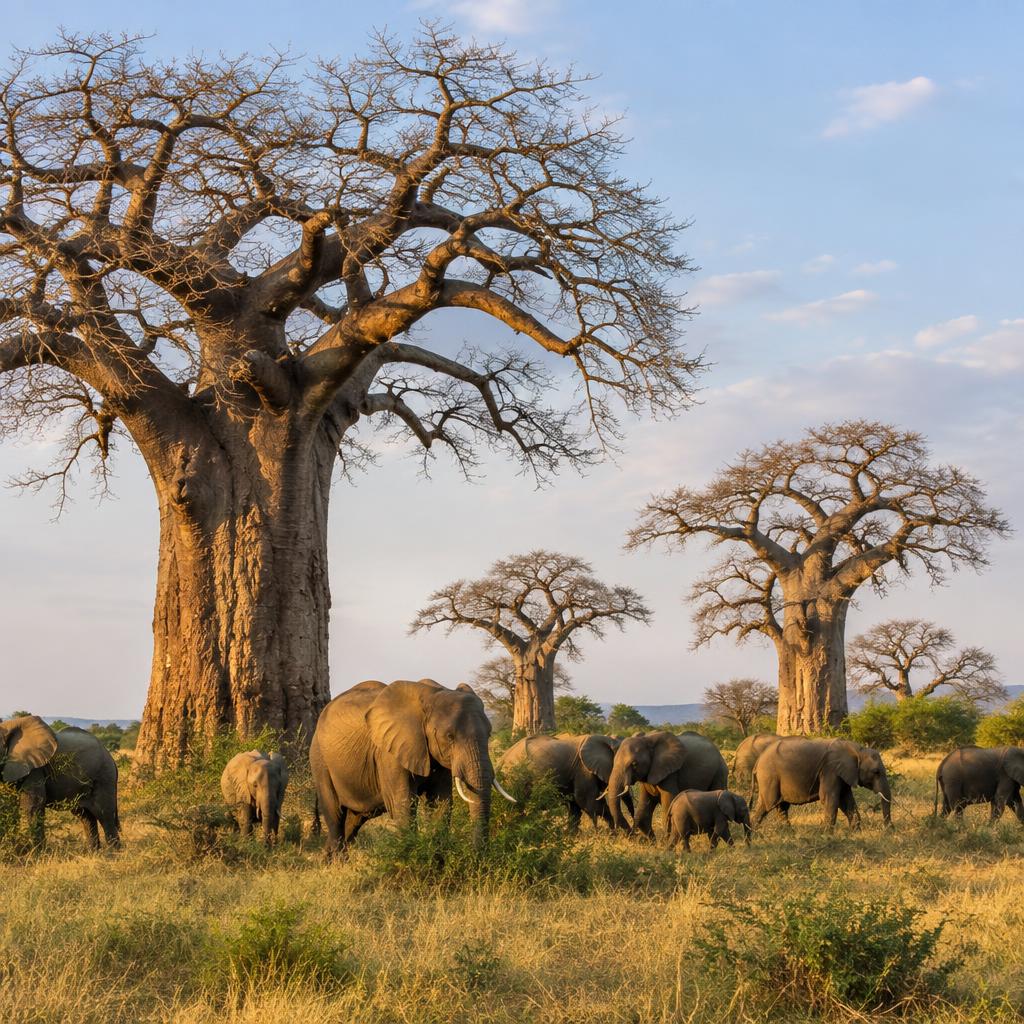
3 Days Tarangire & Ngorongoro Safari
A short, rewarding safari from Arusha to baobab-studded Tarangire and the world-famous Ngorongoro Crater.
 5 DaysFrom $2,350 pp
Wildlife Safari
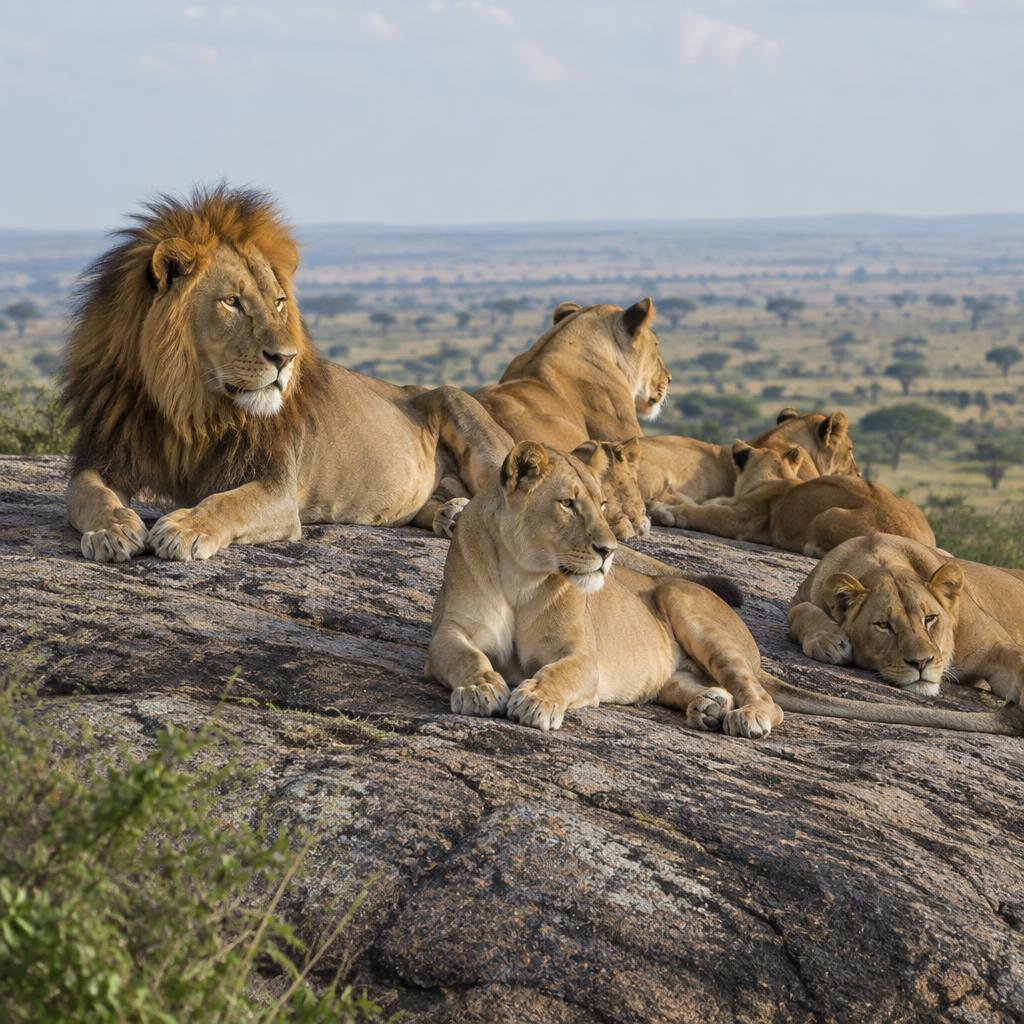
5 Days Serengeti & Ngorongoro Safari
Tanzania's classic northern circuit — endless Serengeti plains, the crater and Tarangire's elephants.
 7 DaysFrom $3,450 pp
Wildlife Safari
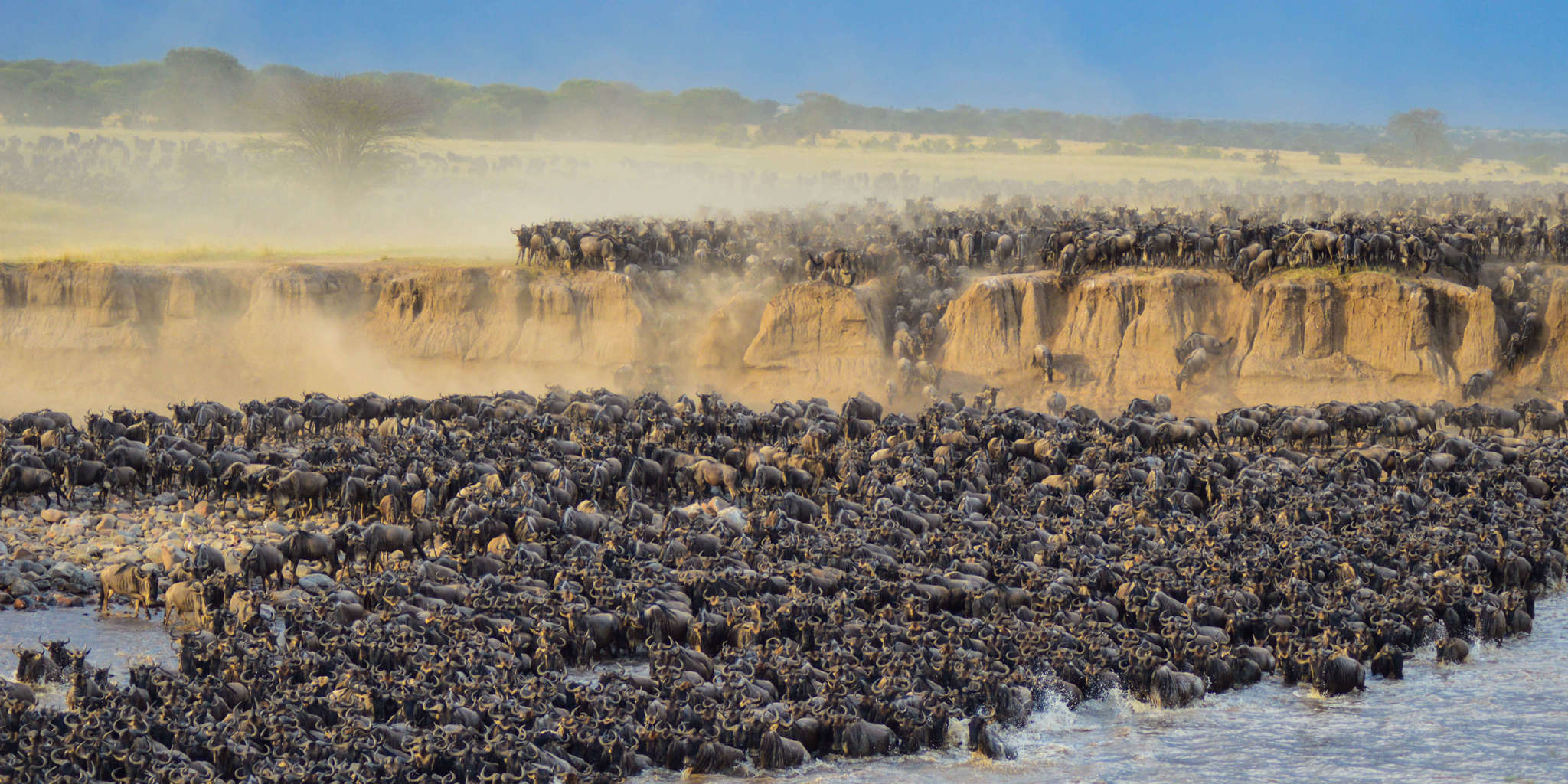
7 Days Great Migration Safari
Follow millions of wildebeest and zebra across the Serengeti on an unhurried week-long safari.
Ready for your Tanzania adventure?
Tell us your dates and dreams — we'll craft a private itinerary within 24 hours.